28.04.2025
Through peer-to-peer learning, network building, and strategic collaborations, Circular Factory is creating an ecosystem where founders of circular factories can strengthen one another, avoid mistakes, and accelerate the transition together.
Building a factory or setting up a production process so new that no example yet exists — that’s the reality for entrepreneurs participating in the Circular Factory program. Contrary to what the program’s name might suggest, it’s not just about building factories, but about finding the right scaling strategy for circular processes. And that path is different for every entrepreneur. What they share is that they are developing circular technologies with the potential to fundamentally change the world — but that also means pioneering without a safety net. Everything needs to happen at once — technology, market, team, financing — while nothing is certain yet.
At the same time, existing support programs often don’t match this phase: they are either too general or focused on earlier stages, while founders in this capital-intensive phase need long-term, hands-on guidance. Financial support is also far from guaranteed: traditional investors often deem these ventures too risky.
In this phase, a strong culture of peer-led-learning isn’t just a nice-to-have — it’s an essential foundation, say Lindy Hensen and Petra Beris. A network of entrepreneurs going through the same experience, finding each other, sharing lessons, and paving the way for systemic change together. That’s why Circular Factory is investing heavily in connecting CAPEX-heavy founders who are working towards their first-of-a-kind factory, say Lindy Hensen and Petra Beris. “By building a culture of peer-learning, we want to provide a long-term form of support where founders learn together, share knowledge, and help each other avoid pitfalls.”
(article continues below the picture)
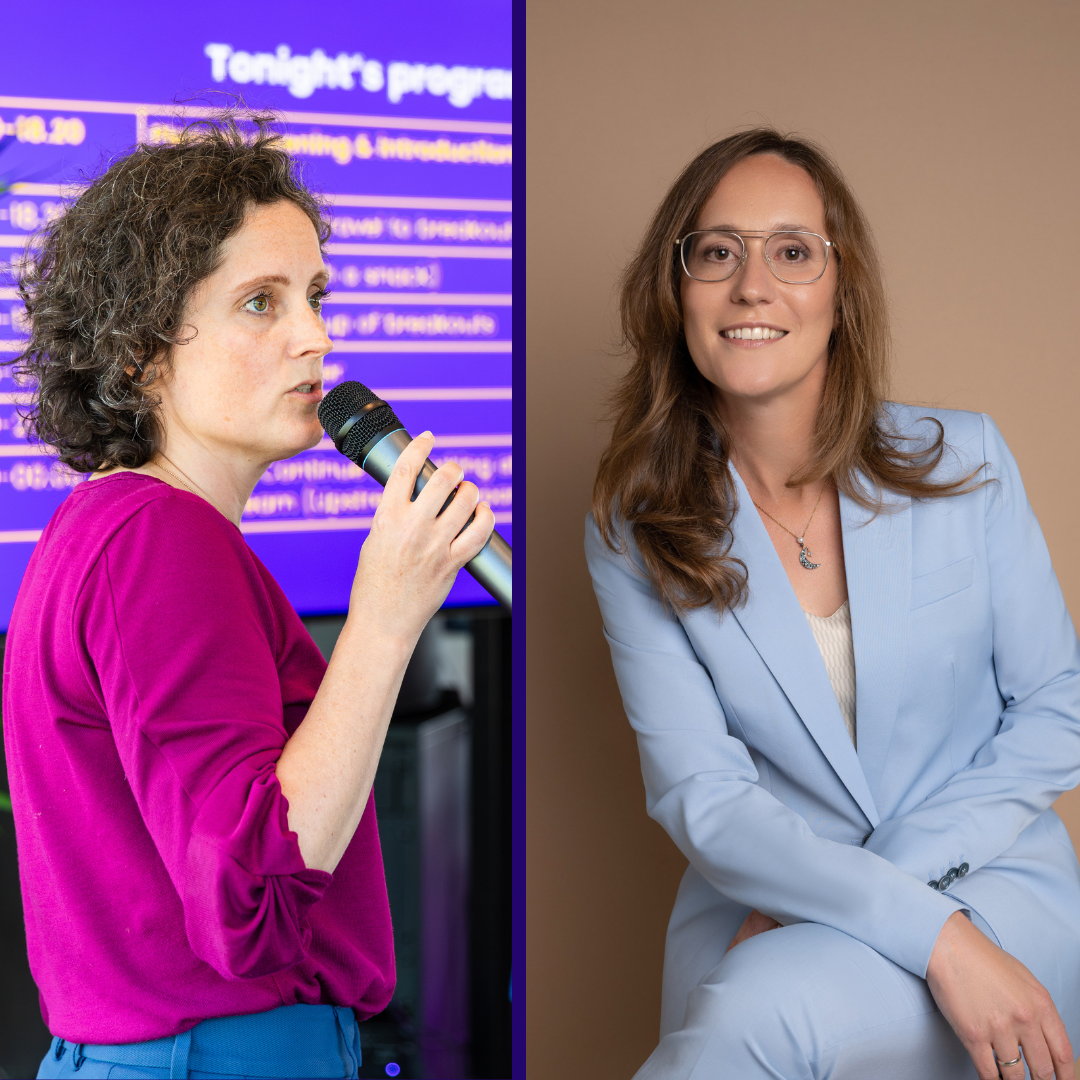
Lindy Hensen (mede initiatiefnemer Circular Factory en co-founder Tekkoo) en Petra Beris (teamlid Circular Factory en founder TransitionHERO)
Lindy Hensen, co-initiator Circular Factory & co-founder of Tekkoo and Petra Beris, Circular Factory team member & founder of TransitioHERO
The participants have just completed an intensive first phase with the deep dive days. In the coming period, you will be working with them further. What can they expect?
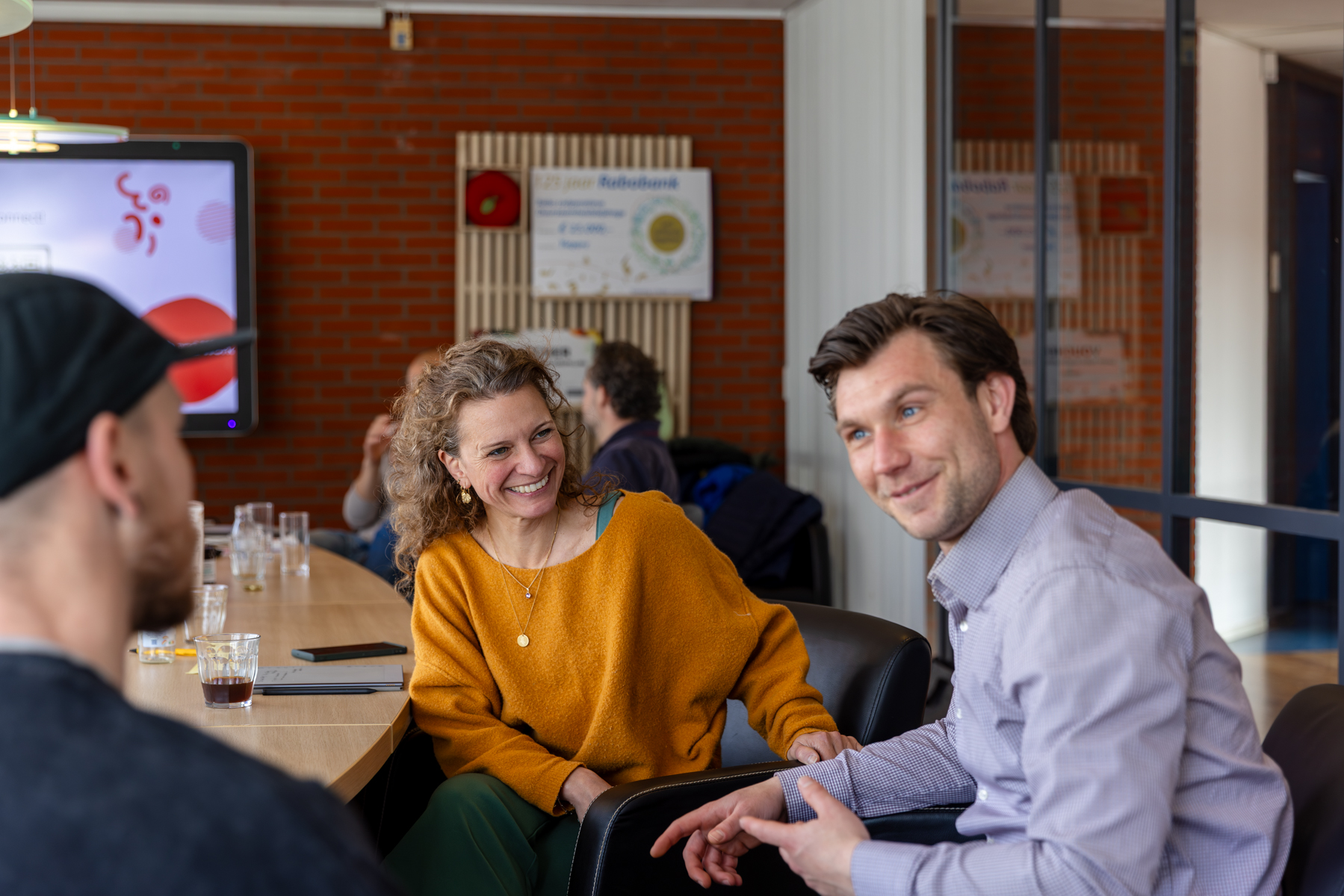
Lindy: “Through the deep dives on the five pillars of the program, participants have identified which key results they still lack but need in order to secure funding for scaling their business. Based on this, they’ve created a roadmap and now need to take action. Over the next few months, the participants will meet periodically to discuss specific challenges — both business and personal. The real strength lies in sharing experiences: where did you get stuck, and what helped you move forward? After each session, we hope that everyone leaves with at least one AHA moment.”
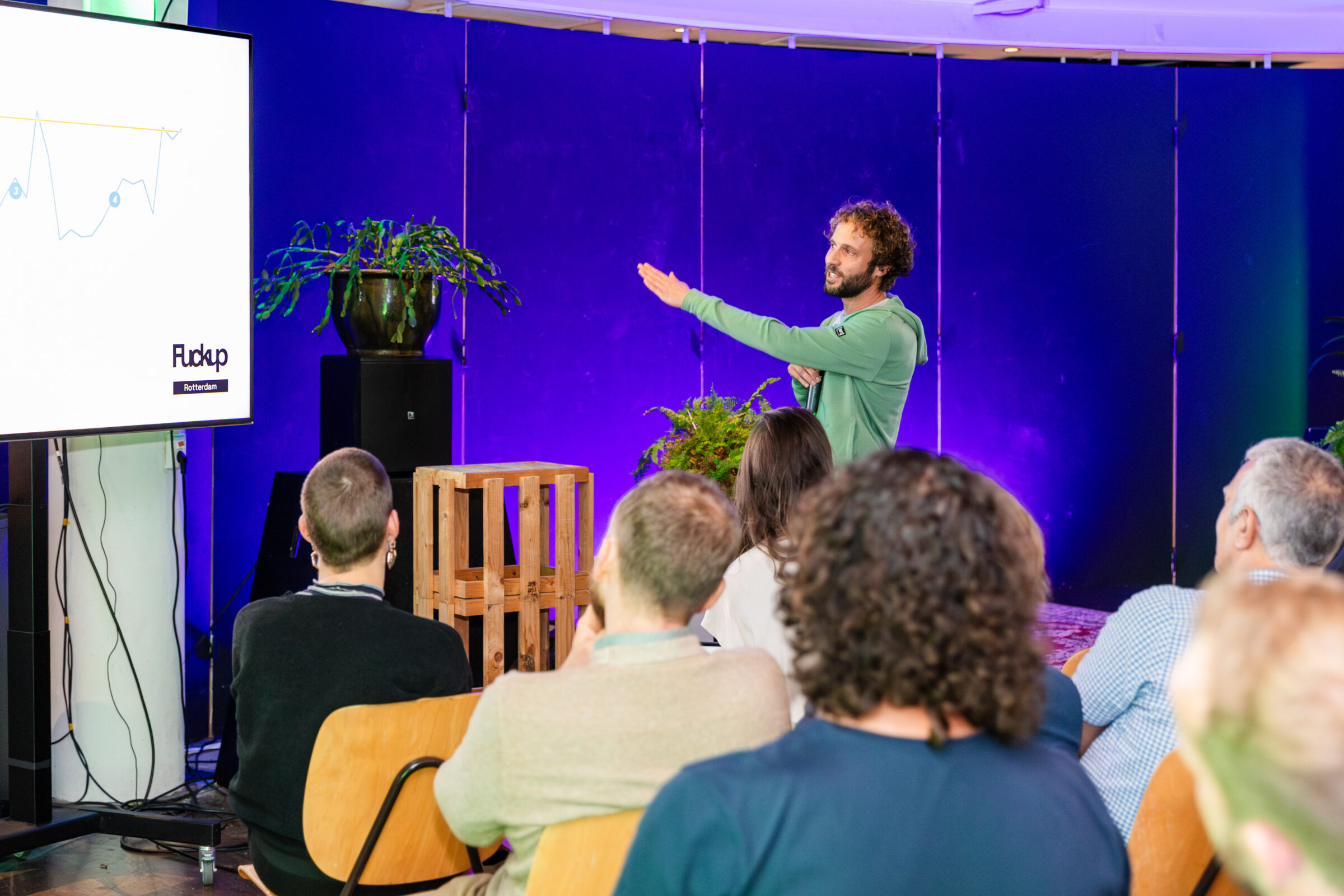
Petra: “This phase is also about building a network and sharing knowledge with other CAPEX-heavy founders. Events like Fuckup Nights: What the FOAK?!, the annual CEO & Founders Dinner, and the Social Impact Day at Yespers help facilitate encounters — not only between entrepreneurs but also with investors, experts, and policymakers.”
This is the first edition of the program where peer-learning plays a central role. Why was it important to introduce this element?
Lindy: “We want to offer a more lasting and meaningful form of support. By connecting founders, we create a safety net that extends beyond the program — from peers in the same phase to entrepreneurs who are further along in their scaling journey. Peer-learning makes this possible, but it only works if you embed it structurally. We actively work on this within the program and through community events. We saw from alumni feedback and event participants that there’s a real need for this.”
Petra: “We are now launching the dedicated peer-learning sessions with the current participants, but if it works well and more people are interested, we want to expand. This also depends on the topics that come up. If a new entrepreneur runs into an issue, we want to link them to someone who has already solved it. That’s the strength of the community and the surrounding ecosystem.”
What are the biggest challenges entrepreneurs are facing in this edition?
Lindy: “Three themes keep recurring during the OKR check-ins: customer need and the right product, technology development and scaling, and financing. Often, the real obstacles lie in the interaction between these three — the classic chicken-and-egg problem. Do you need customers before you can build? Or a working factory to convince customers? And how do you finance that in-between phase?”
Petra: “A concrete example: how do you bring a new product to market when you don’t yet have stable production capacity? Do you outsource through toll manufacturing, or build your own facility? What should the product composition be? Which market fits? Founders need to balance topics like technical specifications, commercial value, and manufacturability – which is a big puzzle. From biobased building materials, waste stream processing or new chemical pathways like bio-butadiene, each sector brings it’s challenges. And that diversity makes it all the more valuable for founders to learn side by side.”
FuckUp Nights: What the FOAK?!
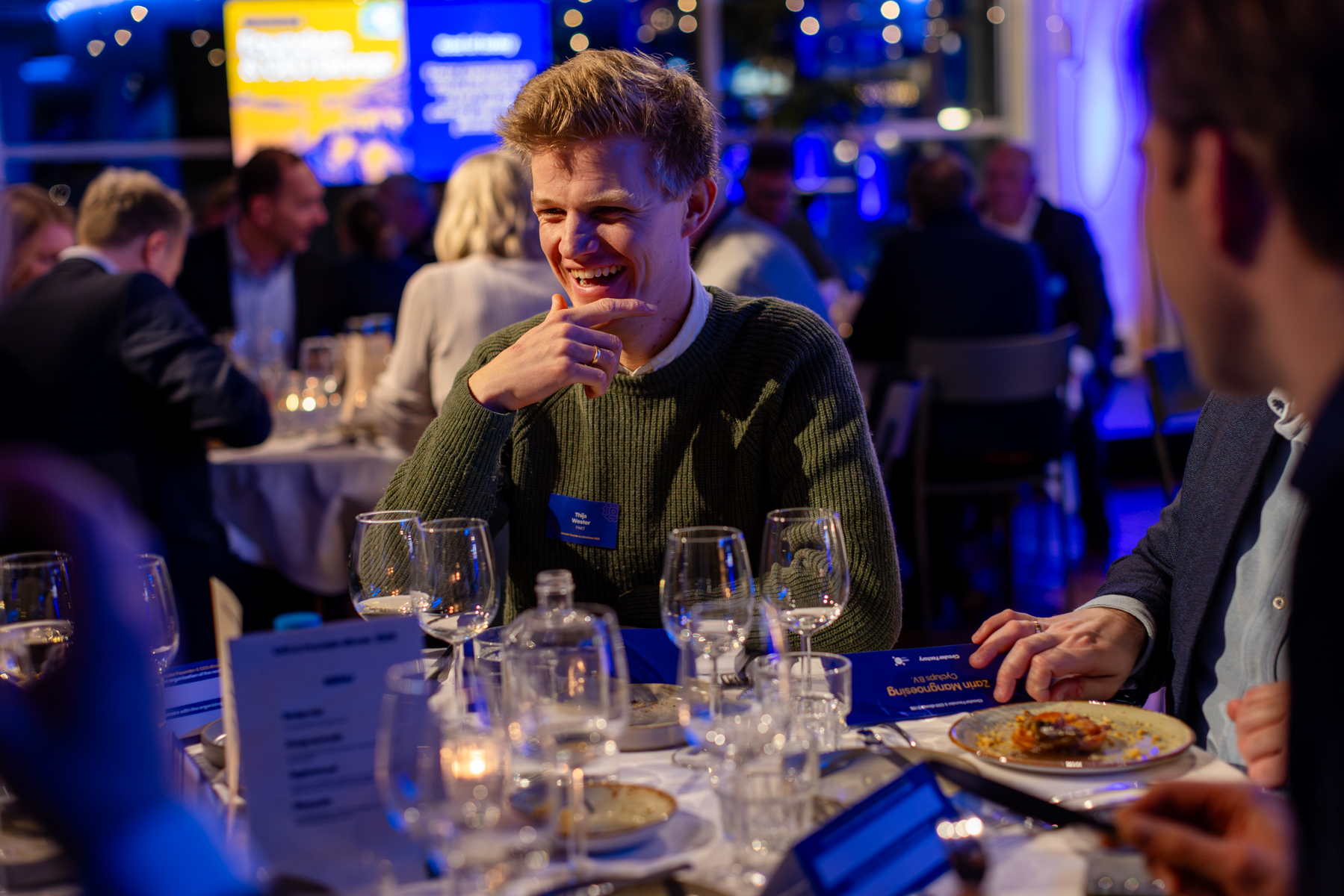
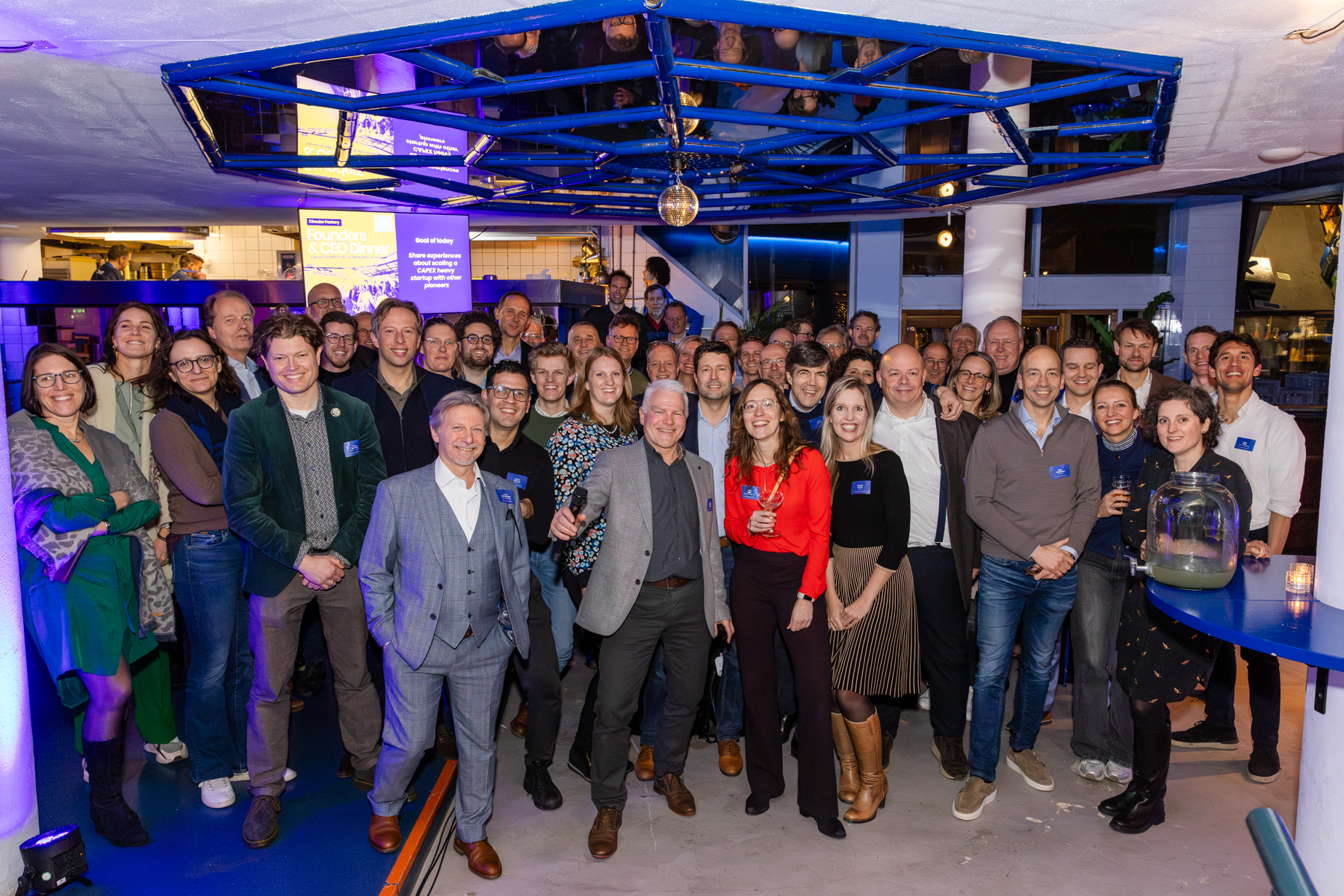
CEO & Founders Dinner 2025
Social Power Day at Yespers
“Events like Fuckup Nights: What the FOAK?!, the annual CEO & Founders Dinner, and the Social Impact Day at Yespers help facilitate encounters — not only between entrepreneurs but also with investors, experts, and policymakers.”
Petra, you are part of the Circular Factory core team as of this edition. How did that come about?
Petra: “Many traditional startup support programs focus on customer validation, while scaling circular startups — moving from lab to working demo factory — brings huge technical challenges. That’s something I’ve been working on for ten years. Last year, I participated as an expert in the program, and we saw clearly how technology impacts everything: your financing, your product, your raw materials. So we realized that this technical role needed to be much more deeply embedded in the program.”
Lindy: “There are very few parties in the Netherlands with experience in translating R&D into operations — especially for first-of-a-kind factories. It requires not only technical insight but also entrepreneurship and the ability to navigate uncertainty. Petra embodies that combination perfectly.”
Despite the program’s name, it’s not always about building a factory, right?
Petra: “Correct. It’s about defining the best scaling strategy. That could also mean outsourcing production or opting for co-siting.”
“That continuity largely lies in the community: we hope founders will take the initiative themselves — to seek each other out, ask questions, and offer support.”
Circular Factory is expanding from a program into a national platform. What role do you aim to play within the Dutch startup landscape?
Petra: “Circular Factory is by entrepreneurs, for entrepreneurs. Sabine (editor’s note: co-initiator of Circular Factory and co-founder & director of BlueCity), Lindy, and I all know what it’s like to run a company. We know from first-hand experience the particular challenges of being an entrepreneur within a circular economy. That makes Circular Factory distinct from other programs that often offer good theory but less lived experience. We are now closely examining what additional support is needed beyond the program — what’s already available and where gaps remain.”
Lindy: “Support for startups in the Netherlands is quite fragmented, so we are mindful not to contribute to that fragmentation. That’s why we deliberately seek collaboration, such as with Groene Chemie, Nieuwe Economie (GCNE). Whether it’s circular, biobased, or broader tech startups — we want CAPEX-heavy founders to find each other.”
So you are explicitly choosing long-term support?
Lindy: “It feels strange to end a program after a few months with a round of applause, while there’s no demo factory yet. That’s why we’re looking for ways to continue supporting founders even after the program ends — in a lighter form.”
Petra: “That continuity largely lies in the community: we hope founders will take the initiative themselves — to seek each other out, ask questions, and offer support.”
Lindy: “Do you know the film Pay It Forward? That little boy who spreads good deeds? That’s really my dream. We hope founders will think: this was so valuable to me, I want to help others who are a step behind me. That it moves like a ripple effect.”
The third edition of the Circular Factory program is made possible thanks to our financial partners: Gemeente Rotterdam, Stichting Ondernemersbelangen Rotterdam, the Rabo Foundation and Invest-NL.
How Circular Factory supports first-of-a-kind founders
So what lies ahead? Circular Factory is steadily evolving into more than just a program. In the coming year, the team will focus on three pillars of support:
Deep dives: Helping founders focus their scaling strategy through deep dive days and expert sessions.
Ecosystem activation: Connecting participants with peers, experts, and investors — even outside of the program.
Collaboration with other accelerators: Strengthening the overall support ecosystem for technical scaling in the Netherlands.
7.01.2026
Circular Factory has launched a new online knowledge base for founders, CEOs and teams working on circular and biobased factories. The knowledge base is aimed at ventures in the demo or First-of-a-Kind (FOAK) phase, where the transition is made from technology development to industrial scale-up.
Read more19.11.2025
BlueCity en Tekkoo lanceren de Circular Factory Podcast: een zesdelige, Engelstalige
serie over wat er écht komt kijken bij het bouwen van een eerste fabriek als circulaire
startup. De podcast brengt eerlijke verhalen, harde lessen en praktische inzichten van
ondernemers die werken aan de industrie van de toekomst.