17.04.2025
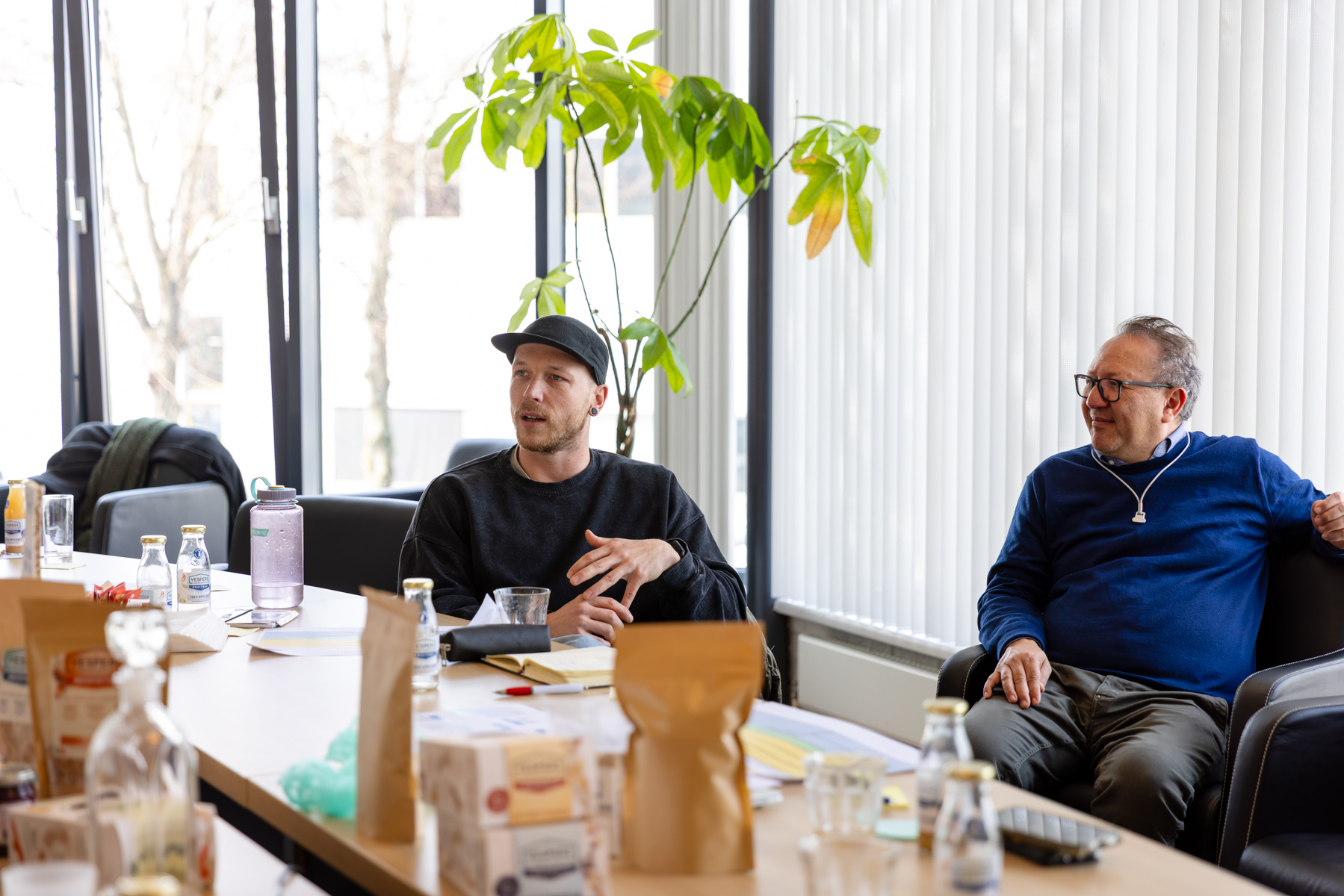
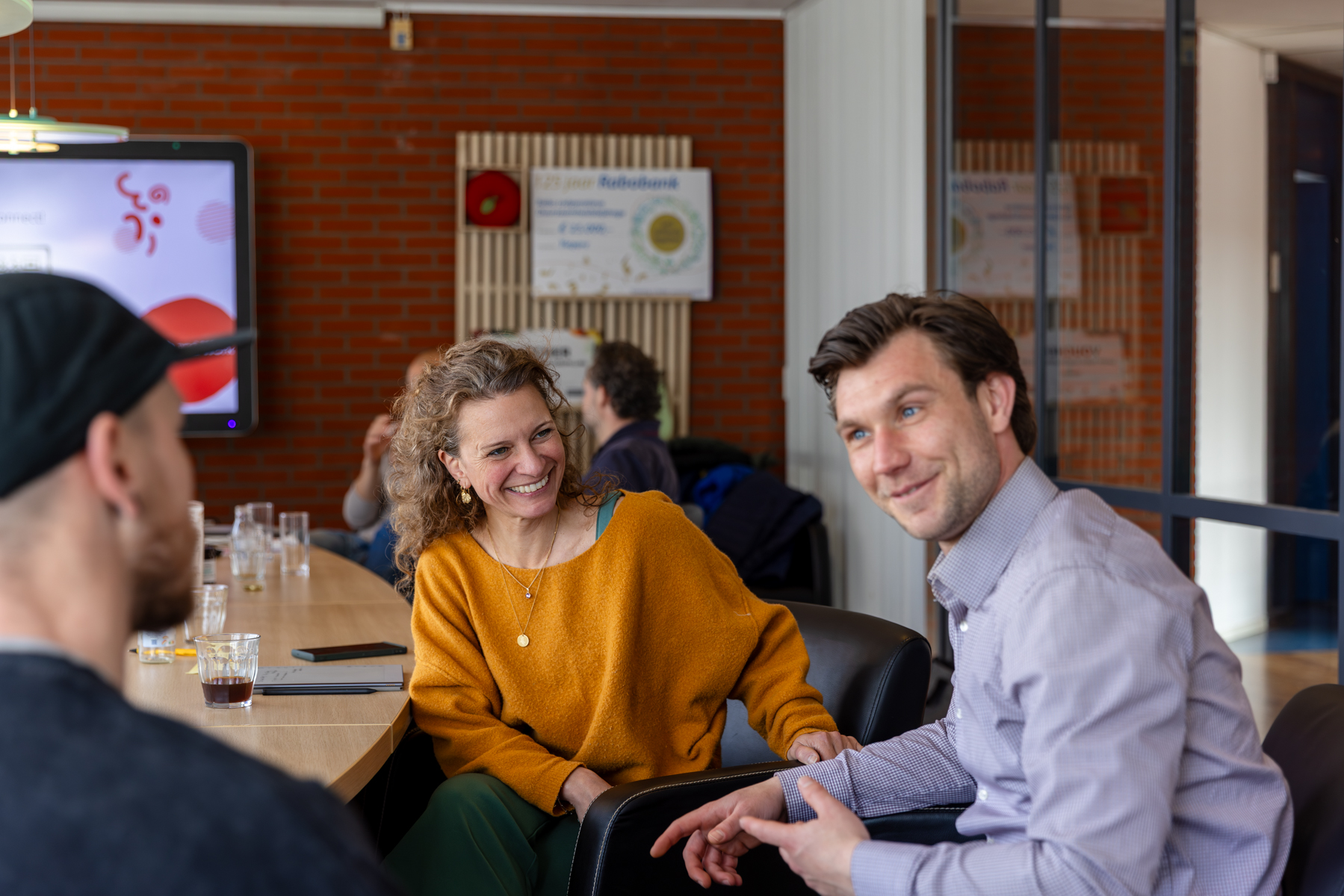
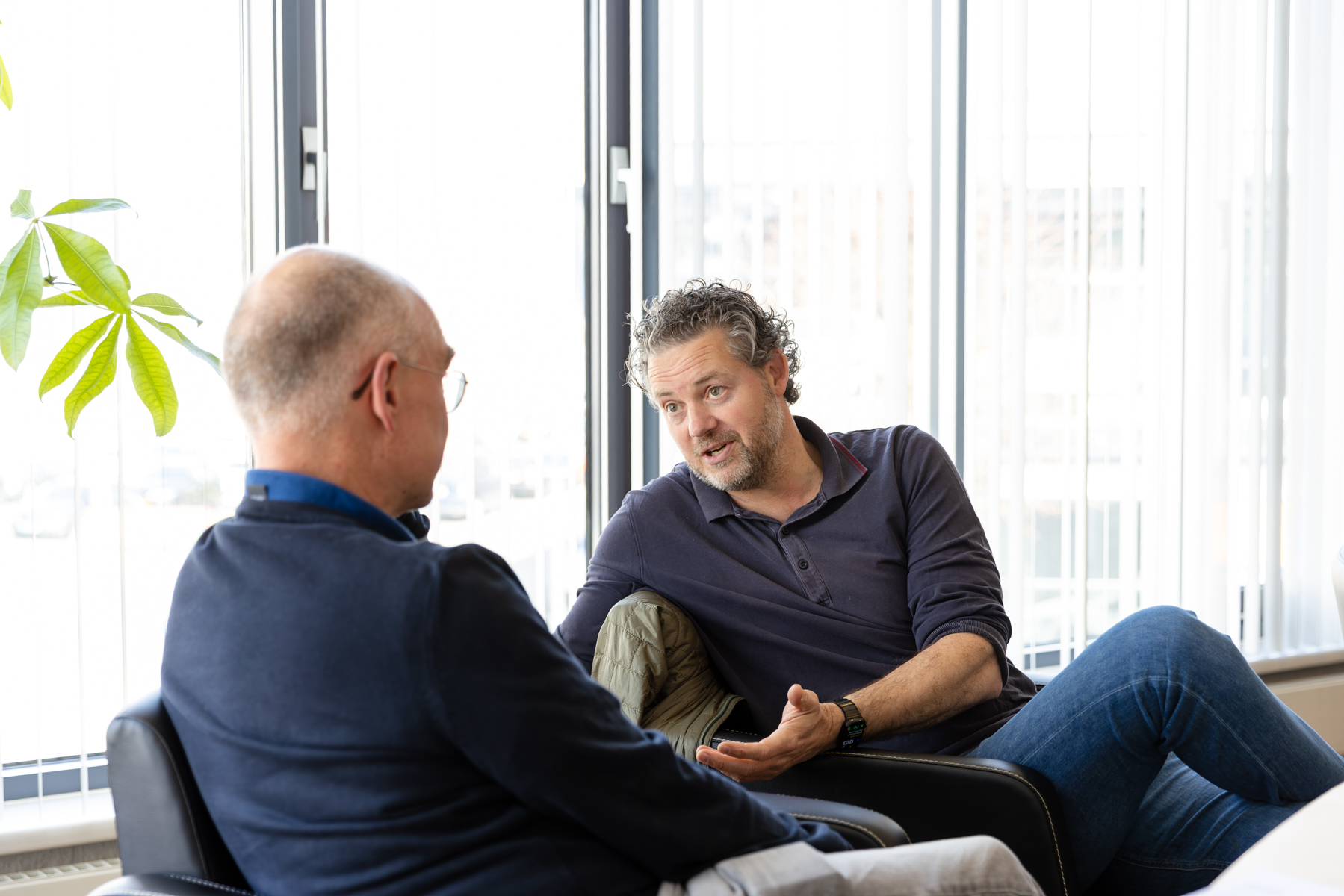
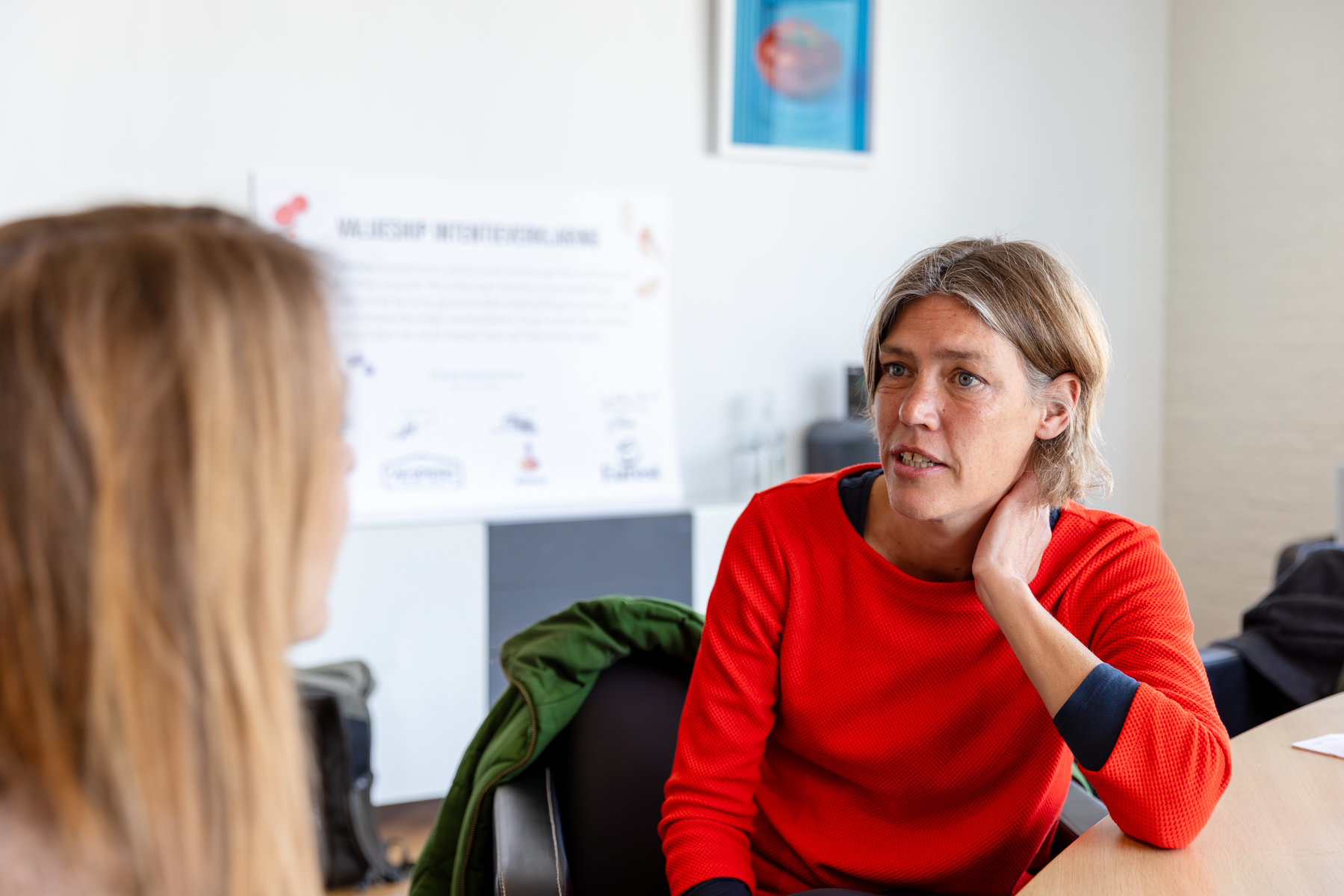
How can businesses create value for both people and planet? That question was at the heart of Circular Factory’s Social Impact Day on March 28th, hosted at Yespers' Total Value Factory in The Hague. In partnership with Rabo Foundation and Stichting DOEN, the event gathered circular entrepreneurs from the Circular Factory community, ecosystem partners and experts to discuss the challenges and opportunities of inclusive hiring. The goal? Helping the entrepreneurs take their first steps toward integrating a social workforce.
People with a significant distance to the labor market—such as those with limited education, language barriers, long-term unemployment, disabilities, or limited social networks—often face major challenges in finding stable work within the traditional job market. Social employment plays a key role in addressing this gap, by creating accessible, meaningful work opportunities.
The circular economy offers promising opportunities for social employment. Sectors like repair, maintenance, resource management and recycling increasingly generate jobs suitable for both skilled and unskilled workers. Many of these industries are built around principles of social inclusion, actively engaging individuals with a distance to the labor market. From social workplaces to local recycling and repair initiatives, the circular economy is helping to close the gap between people and work.
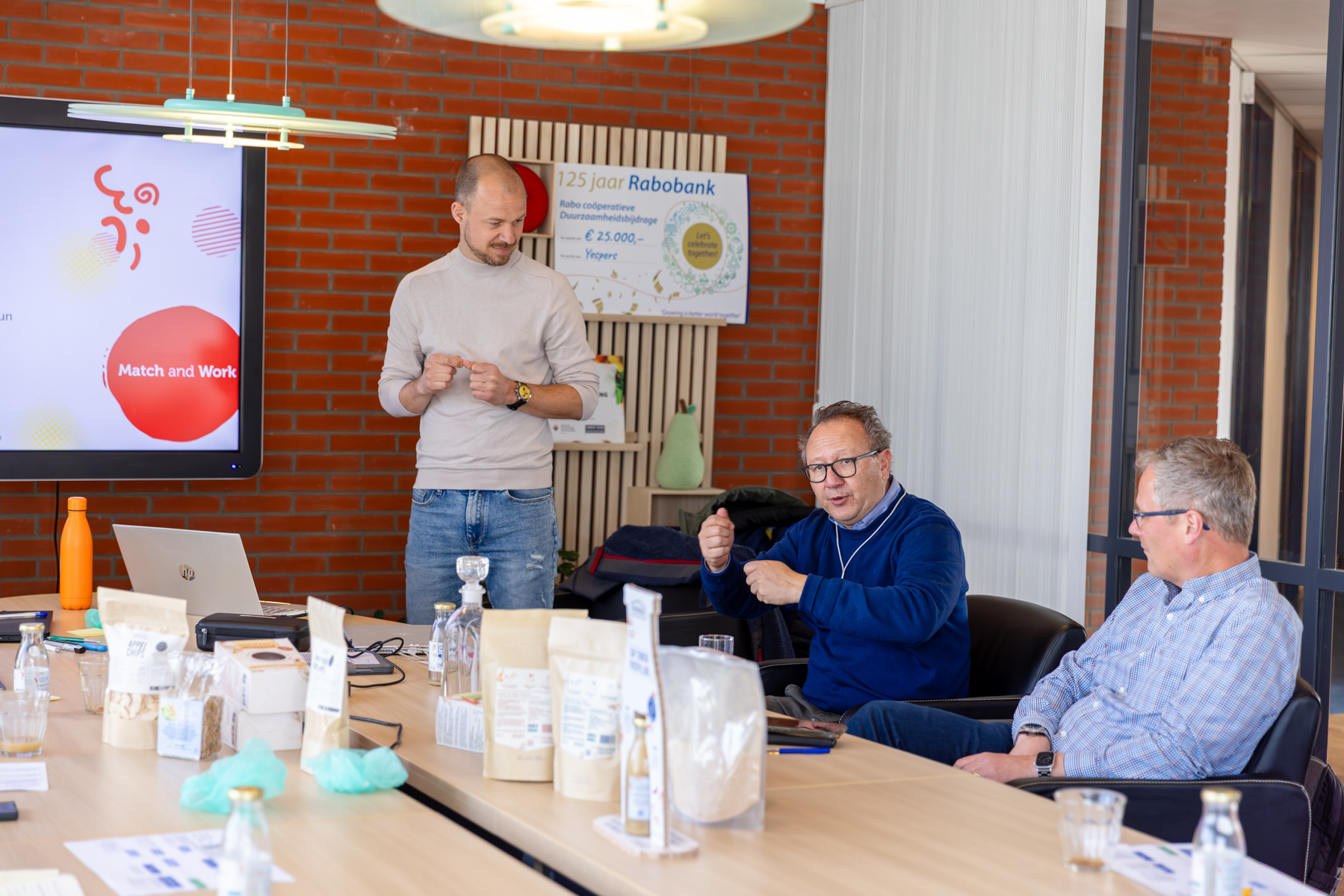
Stefan Baecke, founder of Yespers, shared his company’s journey. Since its founding in 2014, Yespers has specialized in producing a variety of sustainable breakfast and snack items, including granolas, crackers, smoothiespreads, and juices. They have worked to integrate circularity and social employment into their business model—step by step, ingredient by ingredient. Yespers’ method is simple yet powerful: “We always start from a market perspective and then rethink how the supply chain can be organized to add as much value locally as possible; locally in the countries we source from, and in the Netherlands where we process our raw materials into products.”
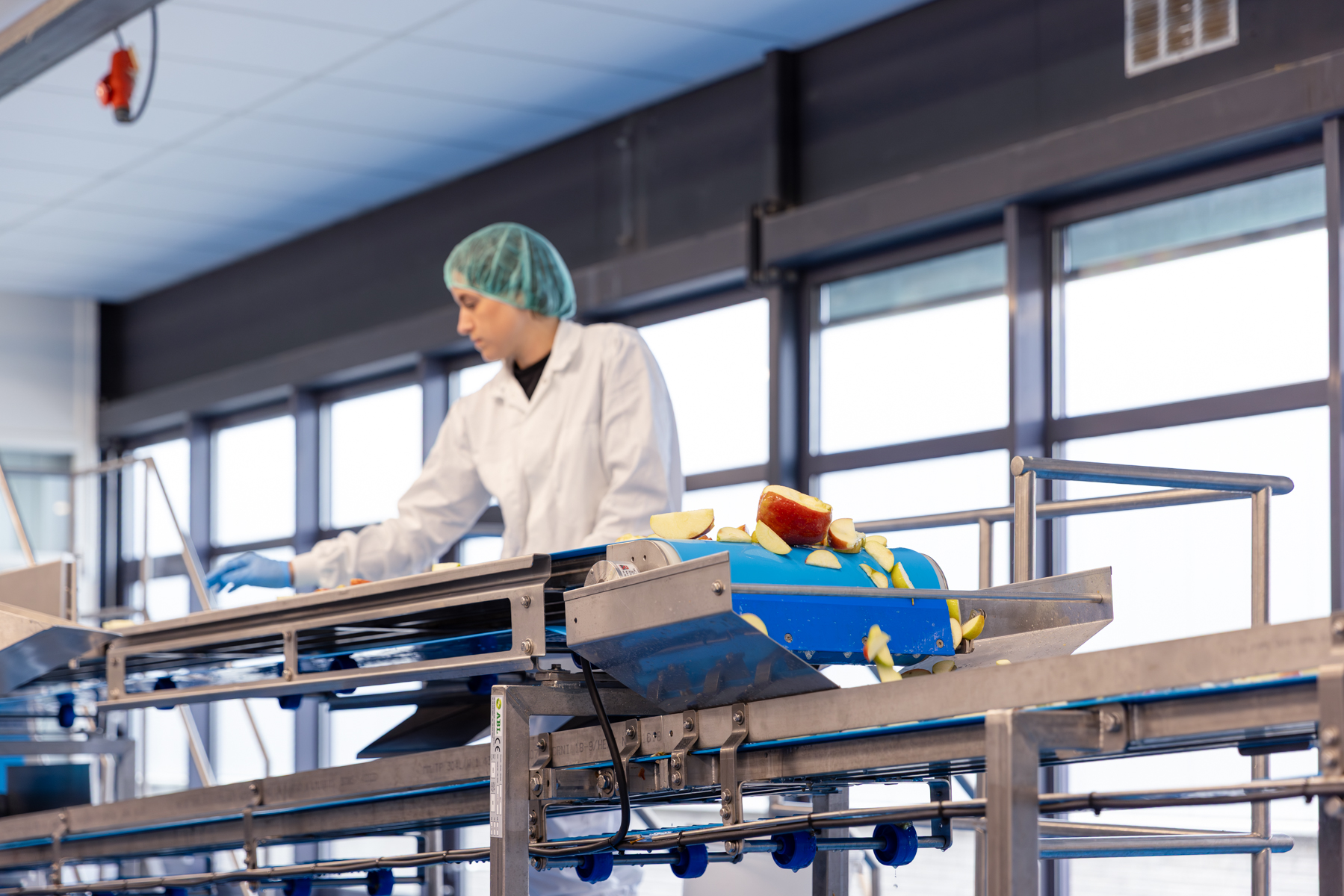
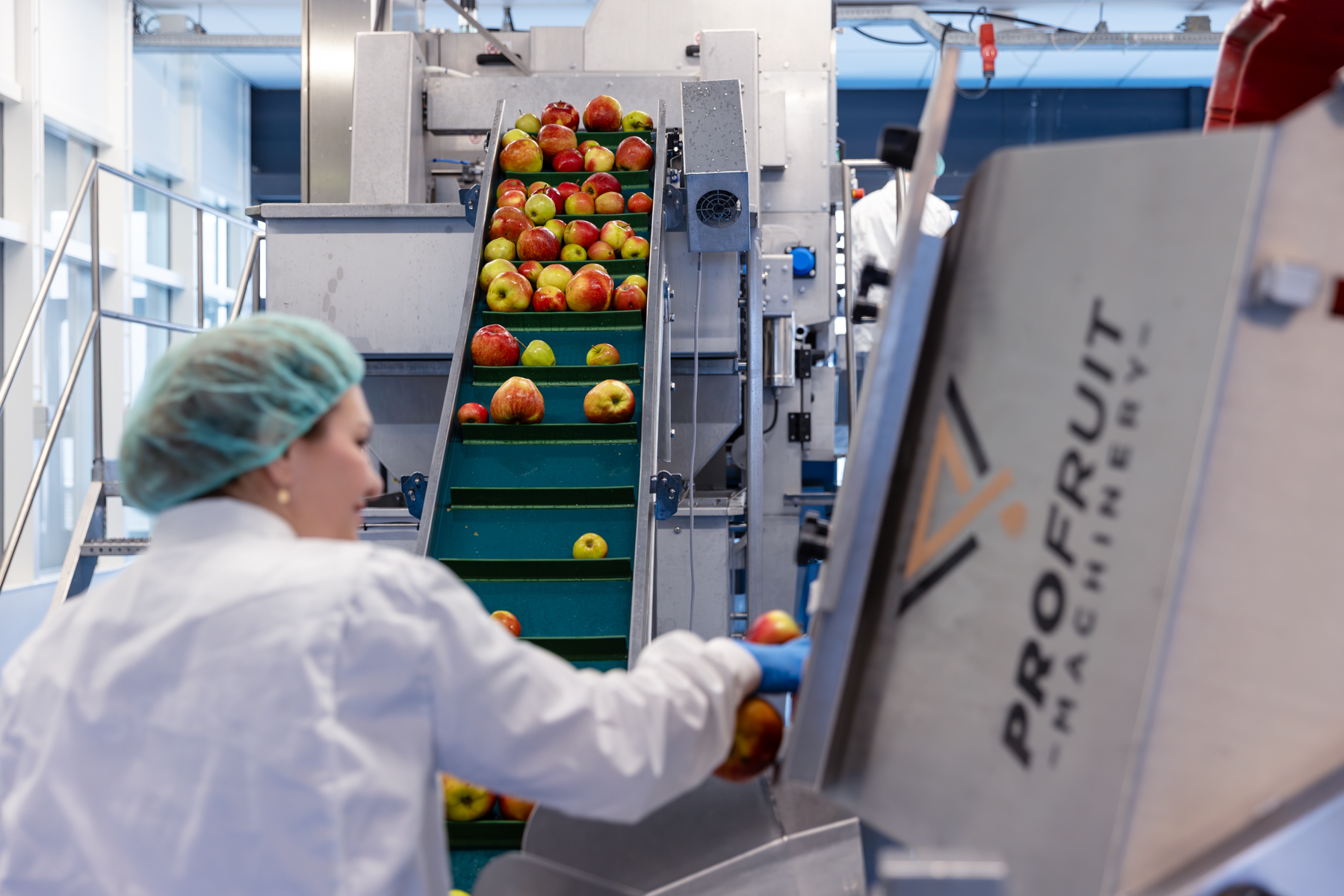
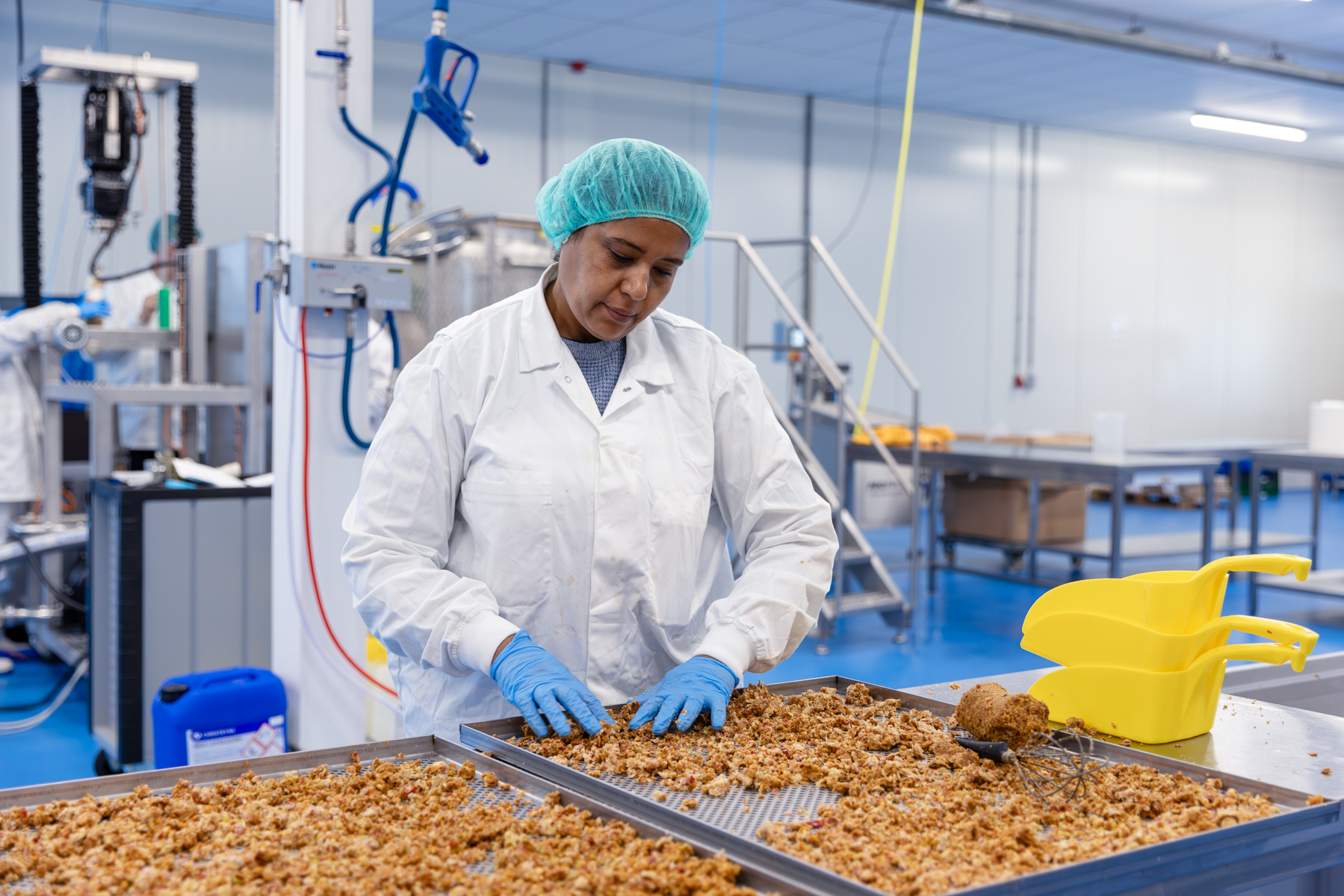
In 2016 they started out by processing locally rejected export bananas into puree, then expanded to working with cashew farmers in Burkina Faso. In the Netherlands, Yespers collaborates with Dutch fruit growers and suppliers such as FruitMasters. With the help from the Rabo Foundation, they were able to open their production facility in The Hague: the world’s first Total Value Factory—a factory that maximizes both material and human value.
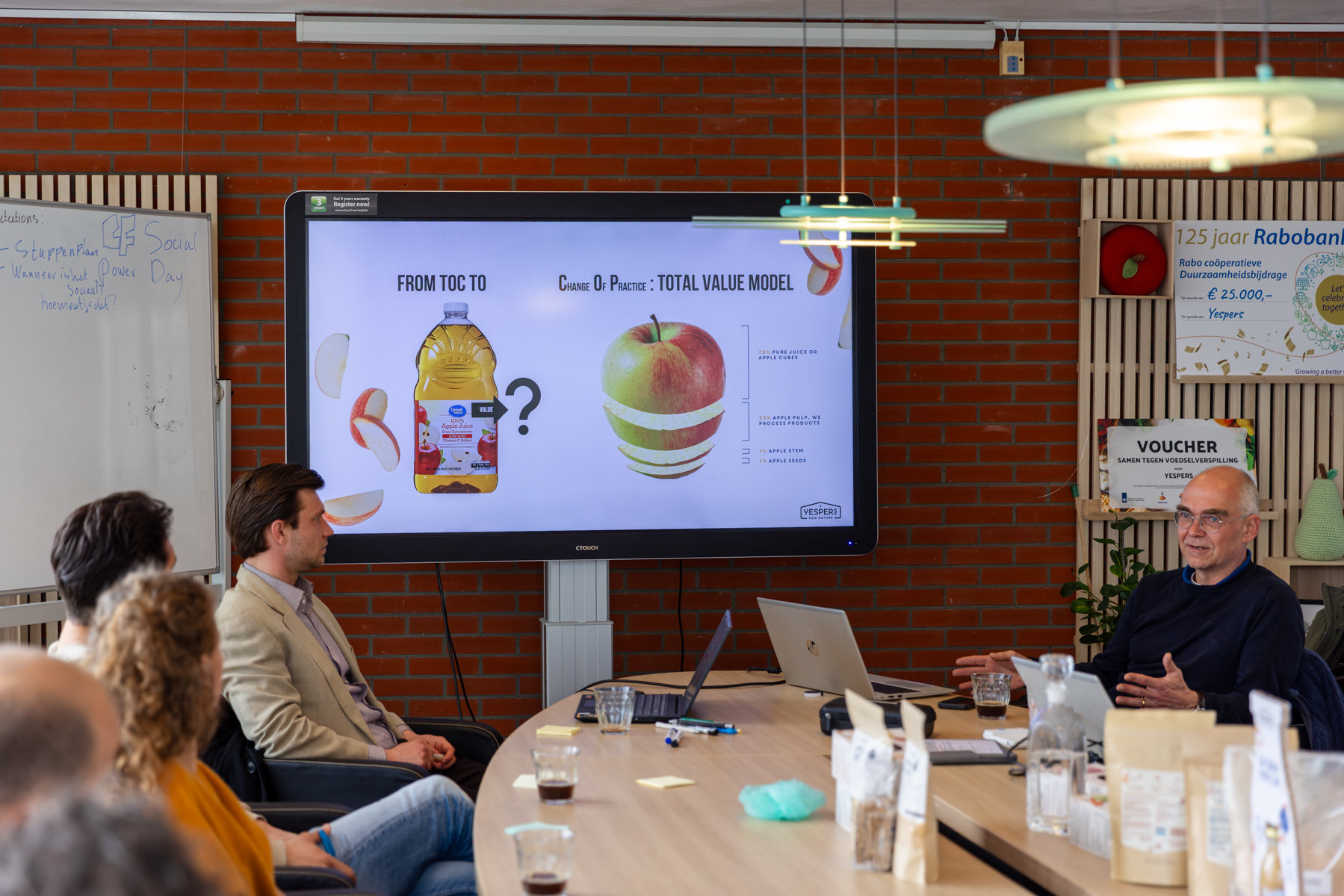
A core aspect of Yespers’ work is providing employment opportunities to people facing barriers to the job market. Through the Yespers Academy, employees are coached in new skills, confidence building, and certification. With experience and certification, they can either continue working at the factory or move confidently into the broader job market.
Throughout his talk, Stefan touched on challenges that many impact-driven entrepreneurs will recognize in their journey. His biggest challenge? Proving the financial viability of social employment. While the benefits—such as reduced unemployment and improved worker well-being—are significant, they often don’t appear on a company’s balance sheet. “We are the cheapest apple processor in the market when you include social and environmental impact, but in a linear model, we barely break even.” Yespers measures the social and environmental value it creates through impact assessments, certifications, and partnerships. Recently, they even embedded true pricing principles into its company statutes.
Stefan emphasized the need for systemic change. “Current structures reward companies that merely meet minimum standards, not those who exceed them,” he says. The extractive economy must shift to a value-driven model. “Entrepreneurs who do better than the legal norm should not have to prove themselves. It should be the other way around.”
After Stefan’s keynote and a tour around his Total Value Factory, the focus shifted to practical guidance from three ecosystem players supporting social employment: Den Haag Werkt, Rabo Foundation and Match and Work.
Den Haag Werkt: bridging the gap between employers and talent
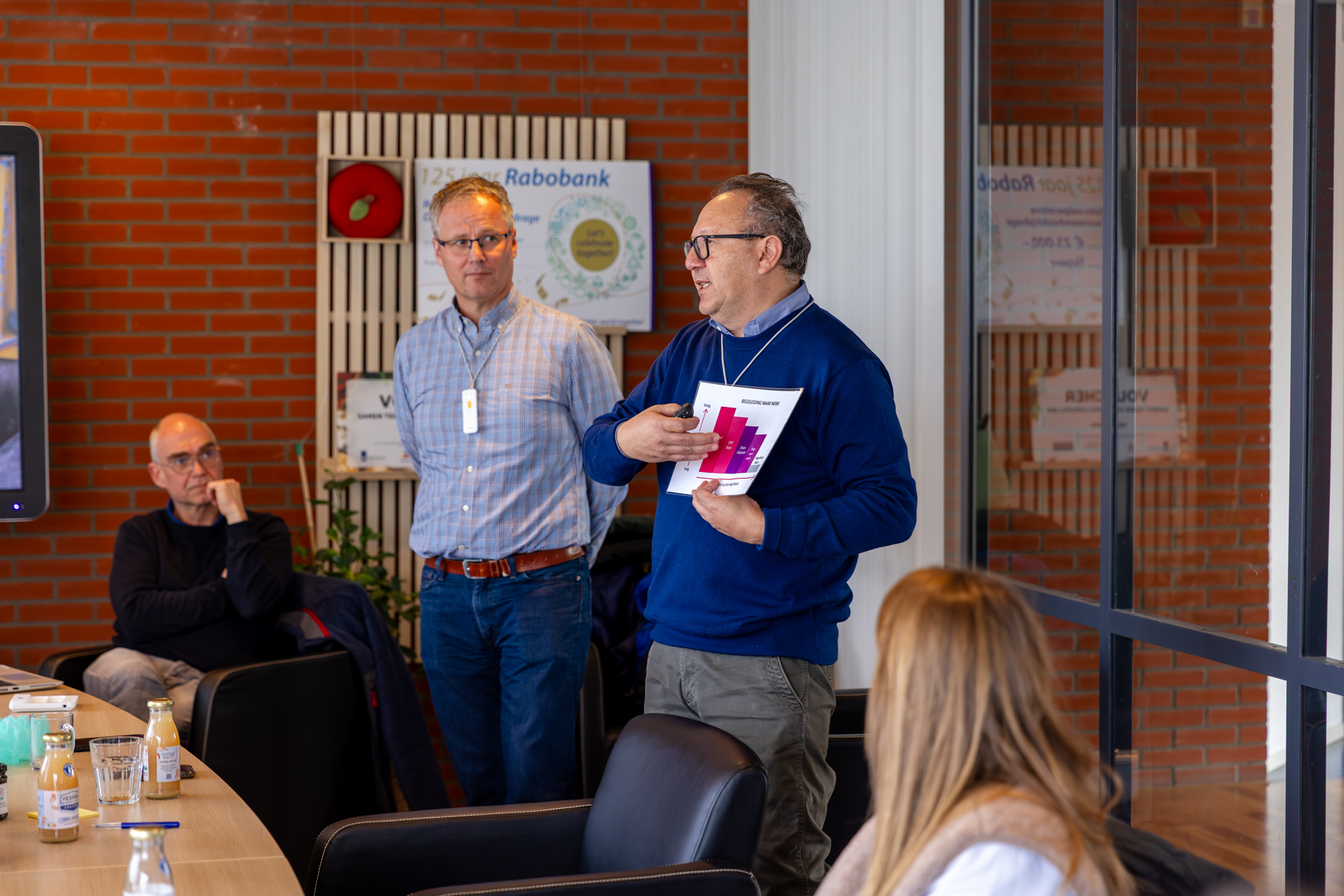
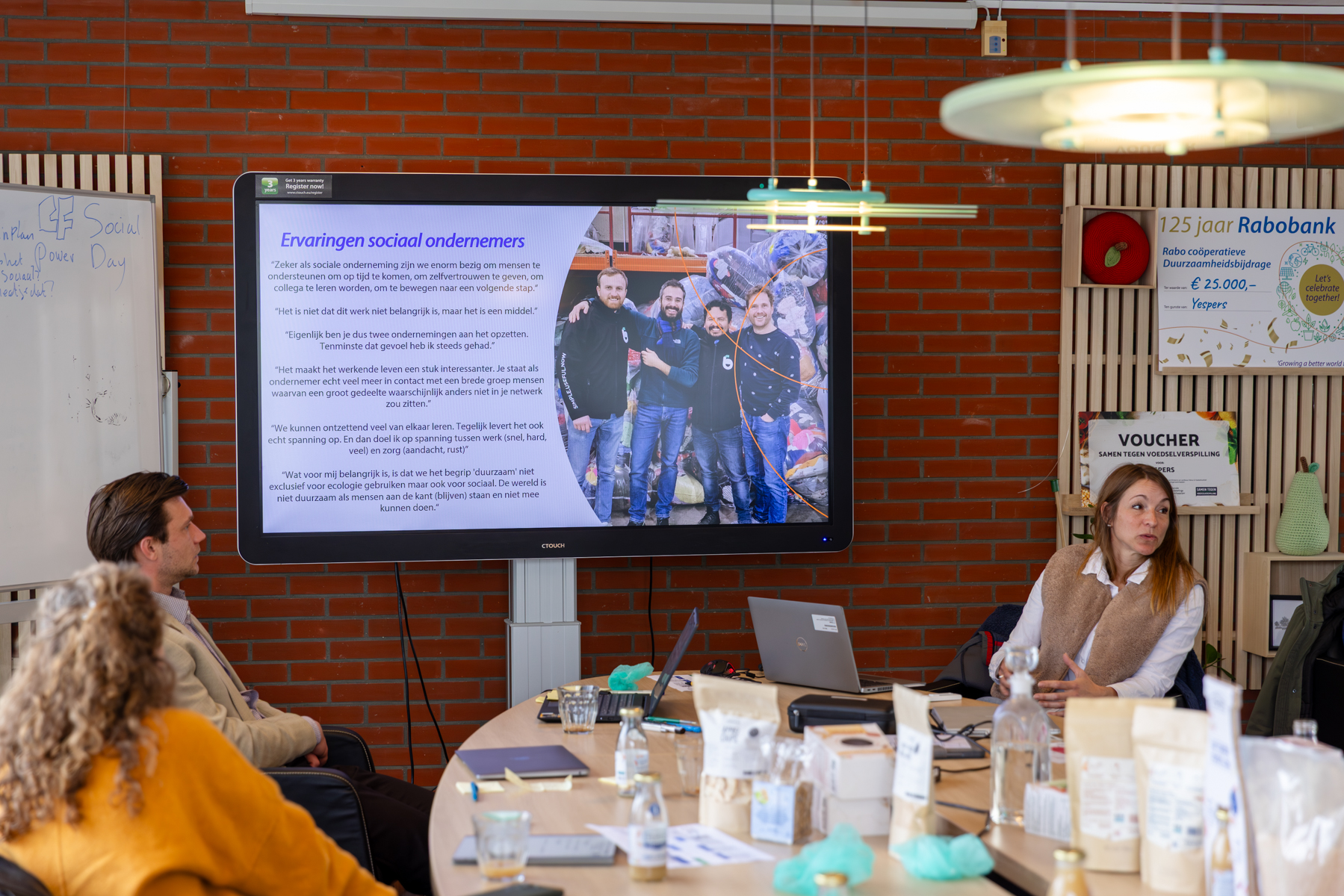
Olaf Morel and Frederik Reimers from Den Haag Werkt (The Hague Works) shared insights into how their organization helps businesses in the The Hague Region find and retain employees with a distance to the labor market. “Many entrepreneurs hesitate to engage in social employment because they’re unaware of the available tools and funding opportunities. We aim to change that by offering step-by-step guidance and connecting businesses with the right support networks.”
For this, they introduced a structured method developed by TNO, which includes a tool to assess a company’s readiness for inclusive hiring, evaluating attitudes, available resources and external incentives. The Hague is one of the first municipalities in the Netherlands to work with this methodology, with other municipalities following soon. Such as Utrecht.
Rabo Foundation: building a business case for social impact
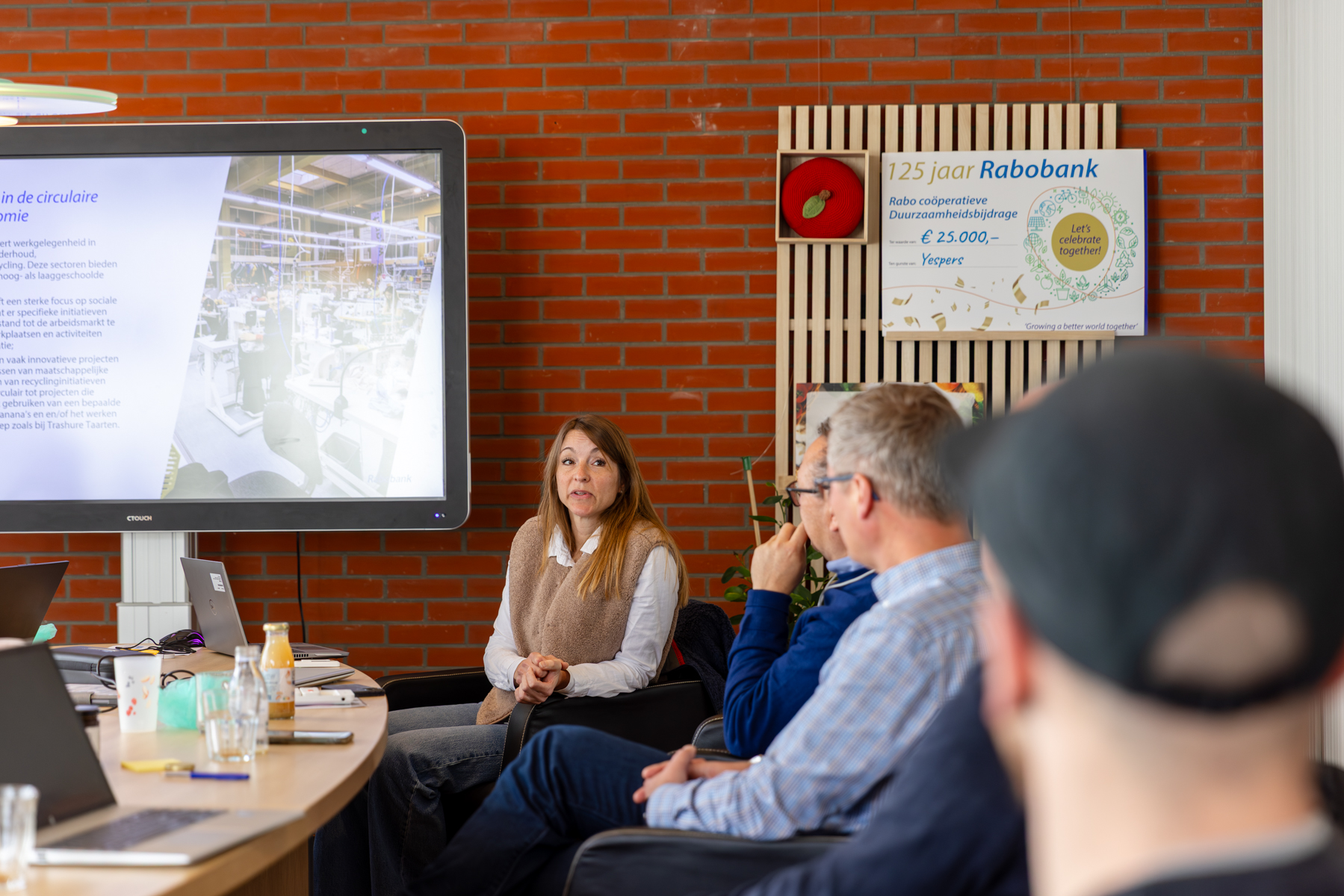
Nanouk Grootendorst and Nynke Struik from the Rabo Foundation explained how impact financing works and how investors view social impact. The foundation, a corporate fund of Rabobank with ANBI status, supports social entrepreneurs with soft loans and grants. “Investors want to see a clear structure: What’s the need? How does your business create value? And what other financial mechanisms support it?”
Rabo Foundation funds companies until they are bankable, looking at a sustainable revenue model. They offers specific financial products for social enterprises such as soft loan (EUR 70k to 500K), grants (EUR 40k-100k), loan with social/impact repayment, training, coaching and networking. According to Nanouk, the combination of social and impact entrepreneurship is growing, with examples such as Yespers and The Good Roll. “Many circular entrepreneurs work with residual streams and give materials as well as people a second chance. That offers opportunities for people who seek for example regularity or enjoy repetitive work.”
She emphasized that banks are increasingly interested in funding businesses that integrate social employment, but entrepreneurs need to articulate their impact clearly. And that is complex. “You’re essentially building two businesses at the same time: a commercial operation and a social workplace. You have to both make a profit and create impact, and that requires sustainable operations.” One crucial tip: securing partnerships with municipalities and demonstrating long-term commitments to social hiring can strengthen a funding proposal.
Match and Work: making employment sustainable
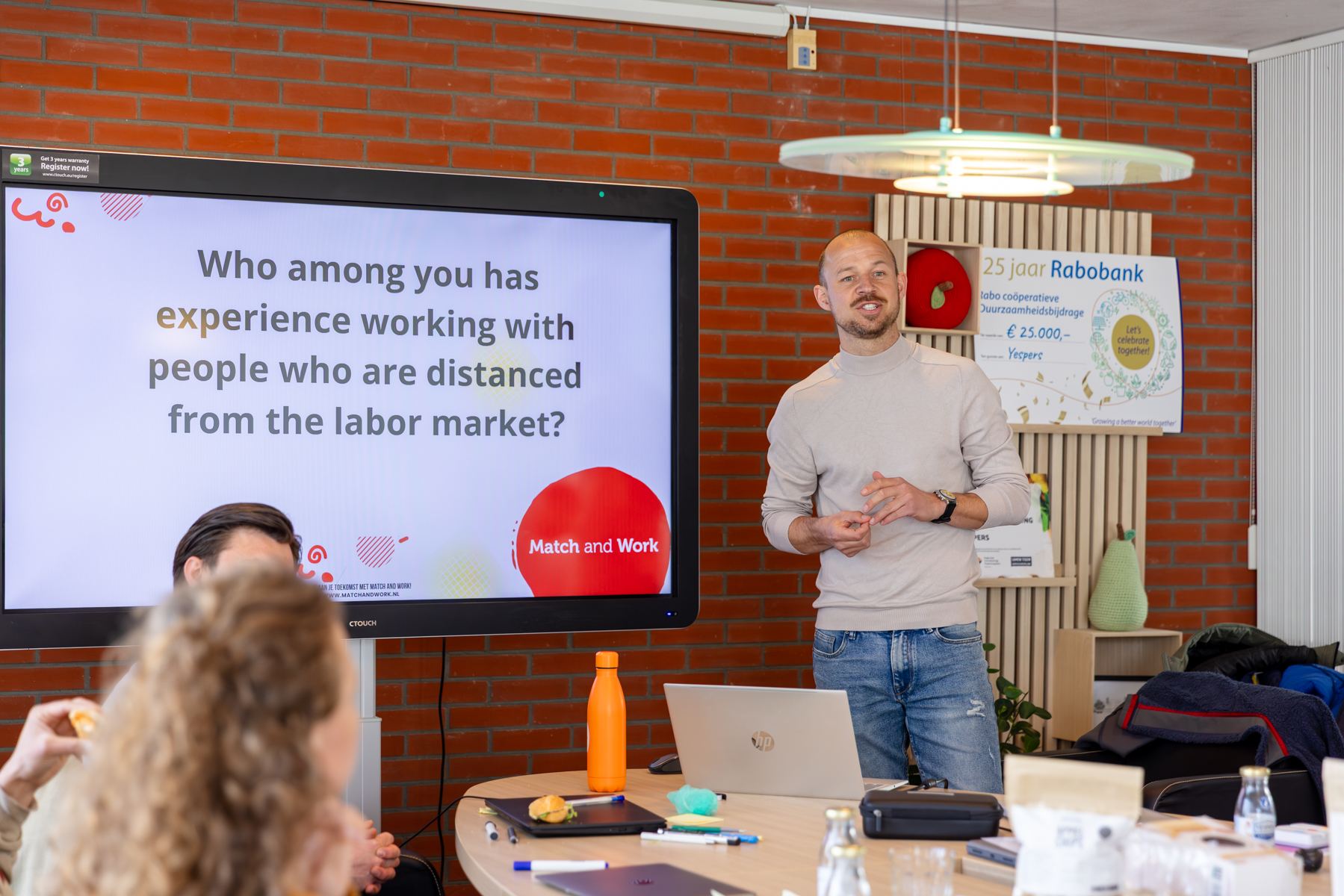
Sven van der Plank from Match and Work delved into the practicalities of inclusive hiring. Match & Work assists companies such as Yespers in employing people with various distances to the labor market. He stressed that successful social employment isn’t just about offering jobs but about ensuring the right support structures are in place. “Many businesses struggle with retention because they underestimate the importance of workplace adaptation and coaching.” His organization helps companies create sustainable employment relationships by aligning hiring strategies with available support mechanisms, such as job coaching and wage subsidies.
Sven himself comes across challenges, one of which is in working with municipalities. Frederik from Den Haag Werkt acknowledged that the process is complicated. “Every municipality has different regulations and application methods. That makes it difficult for entrepreneurs. A job coach can help by bridging the gap between municipality and employer.”
Hanno van Wil and Frederik Ruimers from Den Haag Werkt (The Hague Works)
Nanouk Grootendorst from the Rabo Foundation
Sven van der Plank from Match and Work
The day closed with speed dating sessions between experts and entrepreneurs, helping participants outline concrete next steps.
Marjanne Cuijpers (BlueBlocks) was eager to gain practical guidance on where to start. “At BlueBlocks, we look through the lens of the Blue Economy. In nature, waste doesn’t exist—everything and everyone has a place. We should apply that same thinking to our businesses.” Her company is scaling up and recently moved from BlueCity to a larger site in Utrecht—gaining more space not just in square meters, but also for the team to grow. “We have serious ambitions to combine our circular business model with social impact. For that, we needed to understand the first steps and key considerations – which we now have thanks to information we gained from Frederik and Hanno from Den Haag Werkt.”
Mark Slegers and Florian (Rotterzwam and Sporo) are already working with employees with a distance to the labor market, and are looking for ways to make their social impact demonstrable in order to attract investment. “At what point does social employment stop being ‘social’? If we hire people with a distance to the labor market and they stay for years, do we no longer count as socially impactful?” They were looking for ways to not just make an impact, but also show what they do in order to attract new investors. The session also offered them useful contacts for realizing their future ambition. “We are expanding to The Hague, so this event came at a perfect time. Getting connected to Den Haag Werkt offers new opportunities for cooperation.”
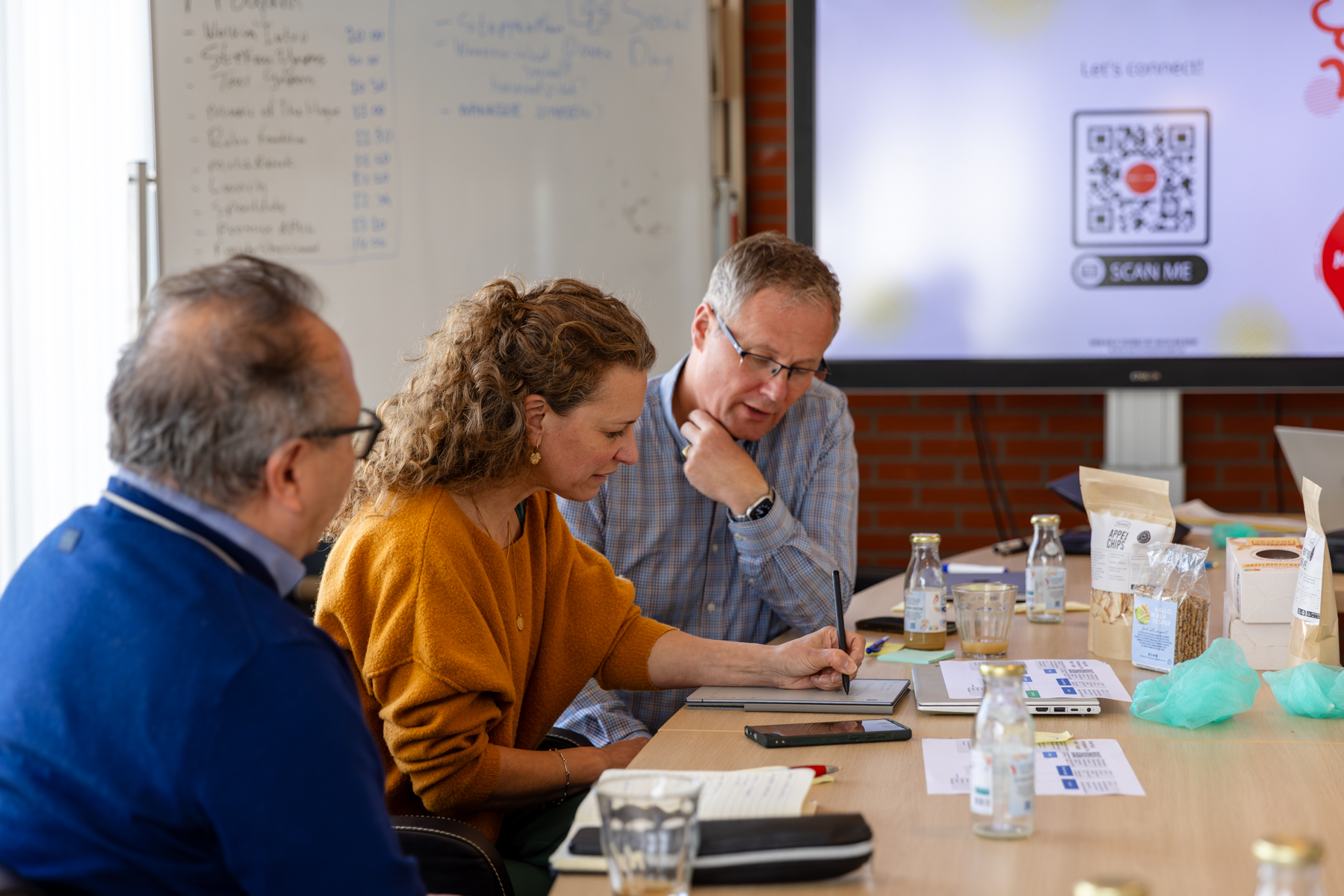
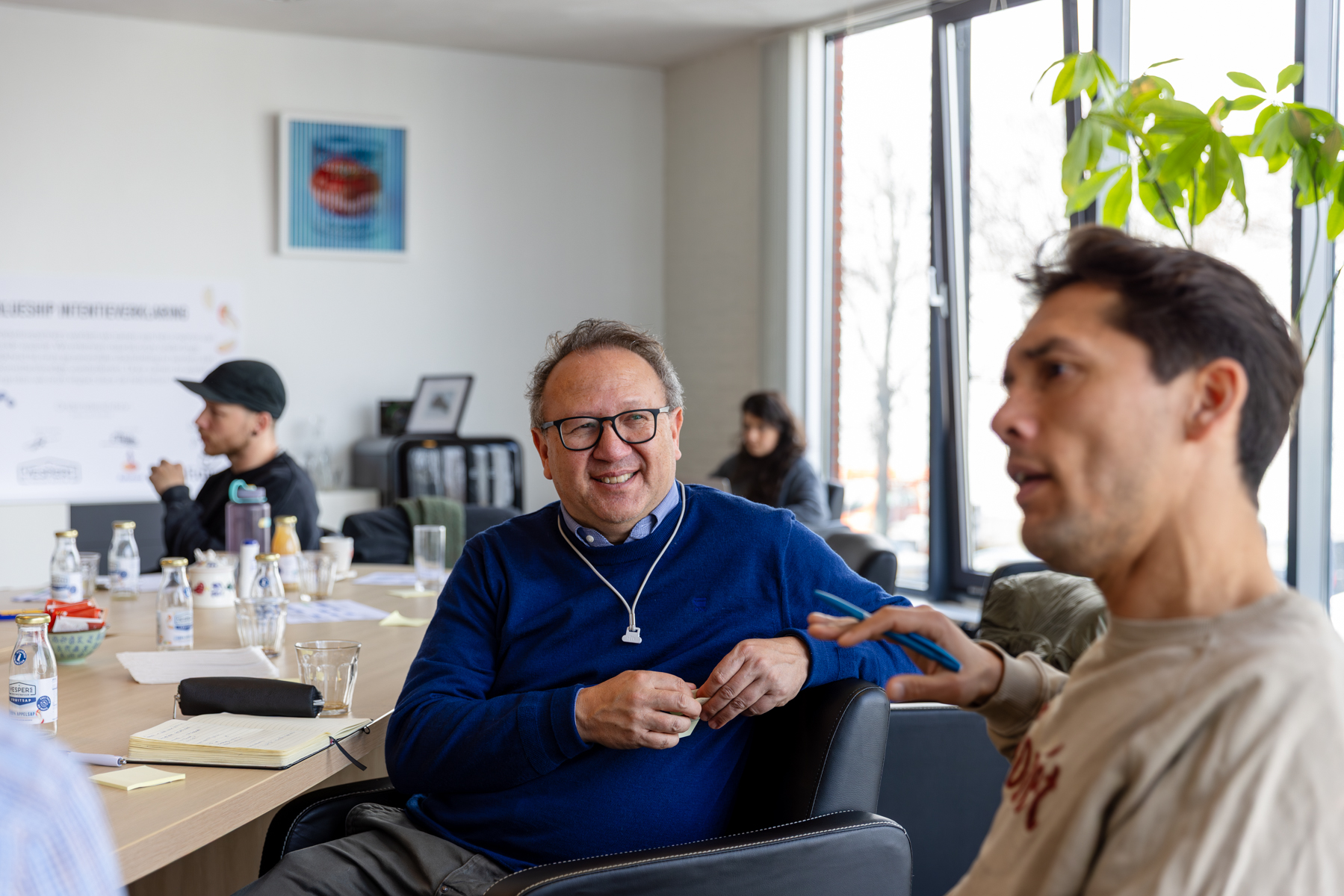
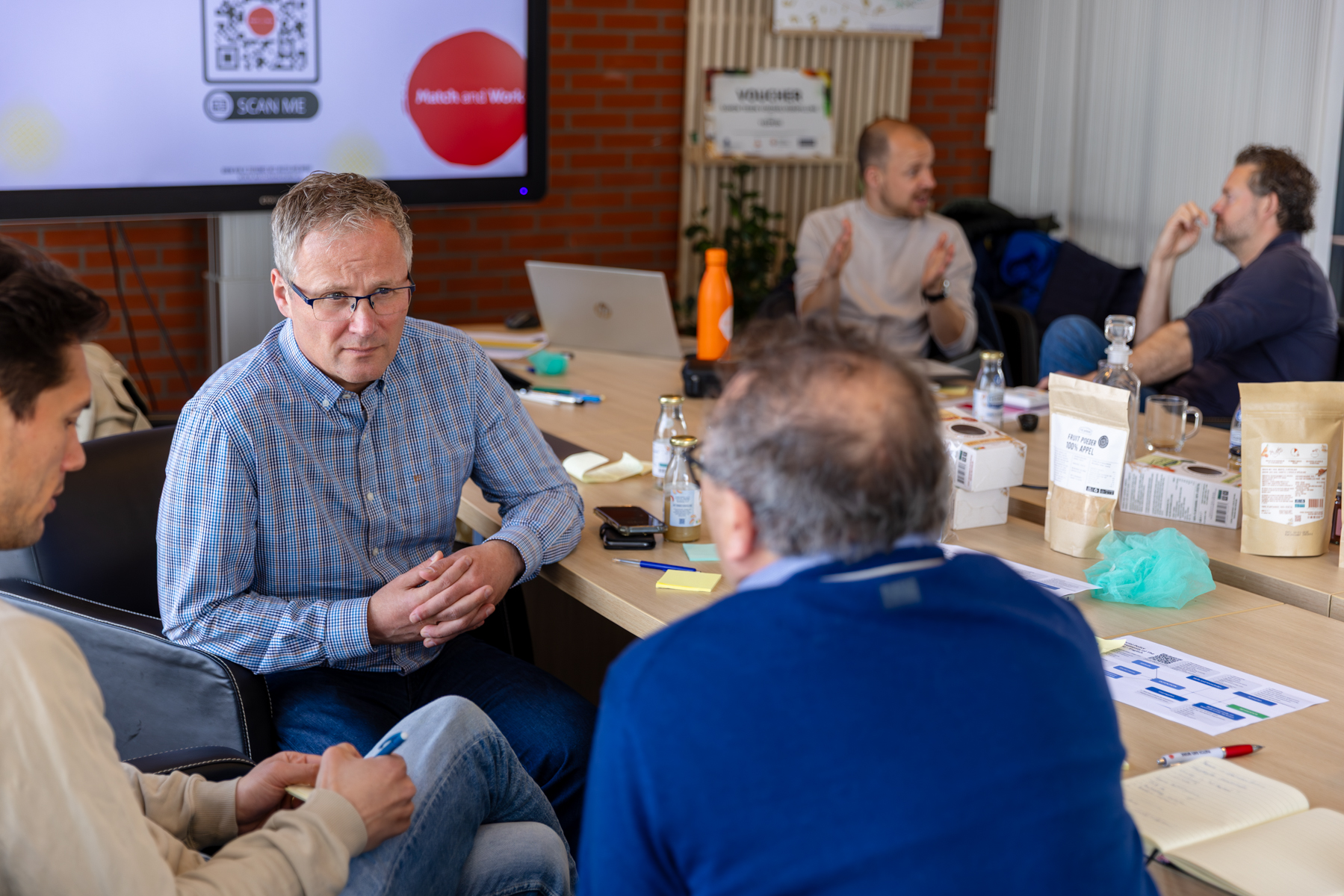
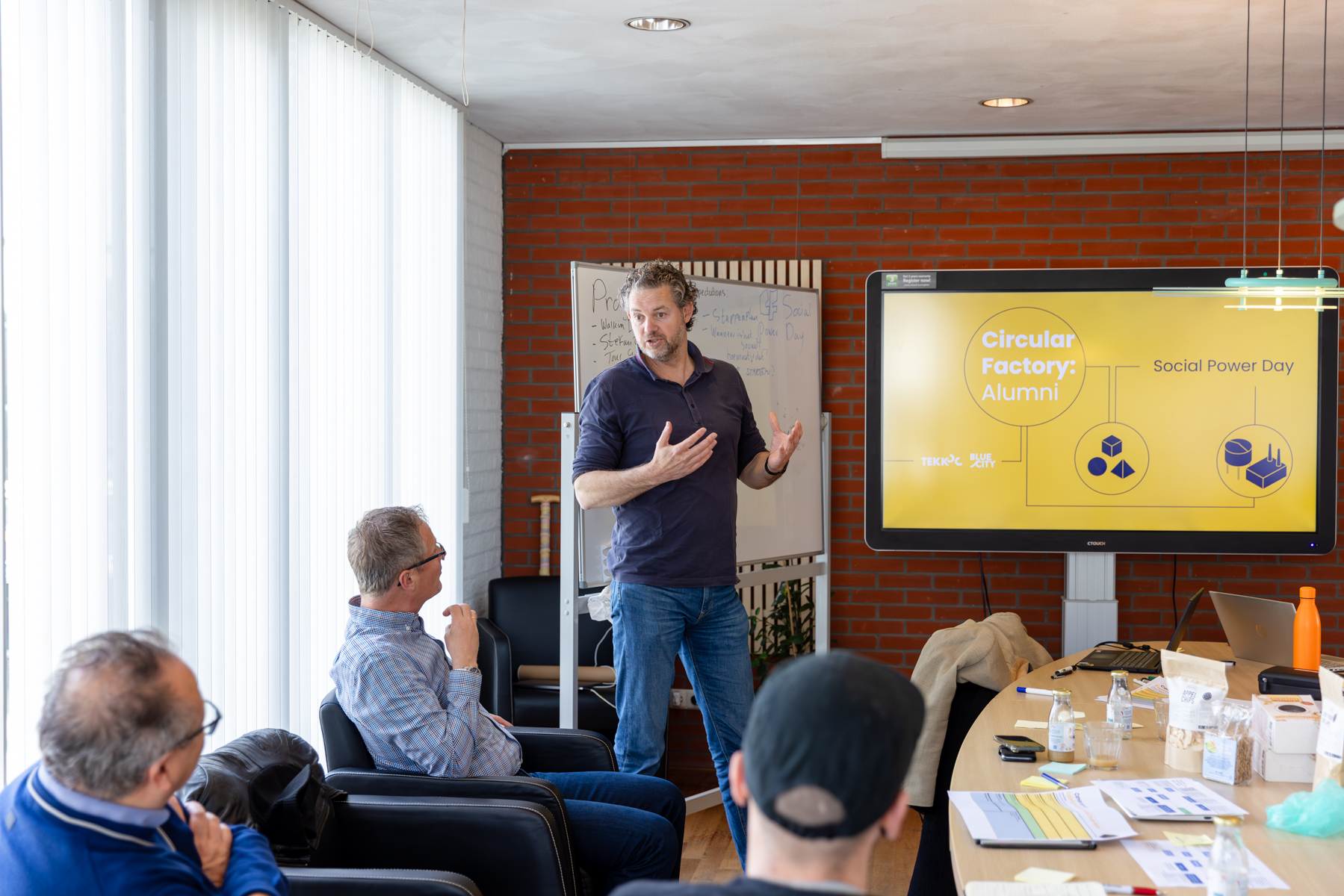
Social Power Day at Yespers
Actionable key takeaways for entrepreneurs:
Actionable key takeaways for financers:
Actionable key takeaways for legislators (municipalities and provinces):
About Circular Factory’s events
By organizing regular events, Circular Factory aims to bring together circular founders of circular startup-ups and scale-ups with important players in the ecosystem players, such as financiers, experts and industry leaders. In doing so, we aim to spark new connections and foster mutual learning. Are you a founder or CEO navigating the scale-up phase and interested in joining one of our upcoming events or our community with over 50 pioneers? Get in touch with the Circular Factory team.
Eager for more community updates, insights and articles? Visit our News section.
7.01.2026
Circular Factory has launched a new online knowledge base for founders, CEOs and teams working on circular and biobased factories. The knowledge base is aimed at ventures in the demo or First-of-a-Kind (FOAK) phase, where the transition is made from technology development to industrial scale-up.
Read more19.11.2025
BlueCity en Tekkoo lanceren de Circular Factory Podcast: een zesdelige, Engelstalige
serie over wat er écht komt kijken bij het bouwen van een eerste fabriek als circulaire
startup. De podcast brengt eerlijke verhalen, harde lessen en praktische inzichten van
ondernemers die werken aan de industrie van de toekomst.